
Nurturing growth through every stage of learning
Nurturing growth through every stage of learning
- Our Programs
Food Program
(Programa De Comida)
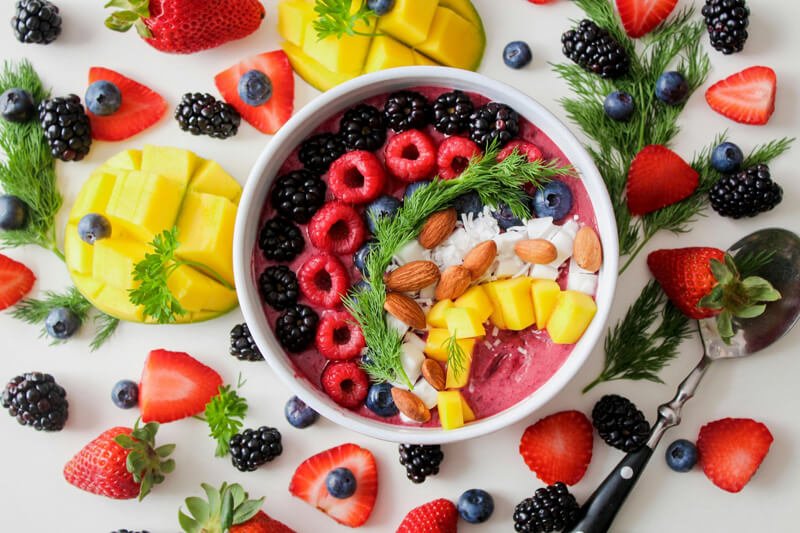
Elizabeth’s Daycare and Preschool Center provides a nutritious breakfast, lunch, and an afternoon snack every day. Our menu reflects the diversity of our community and is prepared in accordance with the USDA food pyramid, Department of Education, and the Child and Adult Food Program. We aim to offer well-balanced, child-friendly meals that incorporate a variety of poultry, fish, vegetarian dishes, seasonal fresh fruits, vegetables, and whole-grain breads.
We do not serve any foods that contain hydrogenated oils or that are high in sugar and salt. Additionally, we are a peanut-free and tree-nut-free center, and we prepare alternative meals for children with dietary restrictions or medically-identified allergies. All meals are prepared on-site by a professionally trained food handler. Our kitchen staff is Serve Safe, allergen certified, and certified in first aid and CPR
- Our Classes
Learning Every Stage,
Every Step of the Way
We offer full-day, year-round classes designed to support children from infancy through preschool in a structured, bilingual, and nurturing environment. Each class is carefully planned to match your child’s developmental stage, helping them build confidence, independence, and a lifelong love of learning through age-appropriate activities, strong teacher guidance, and meaningful daily routines.
Infant
Our Infant Program offers a nurturing environment with personalized care, bonding, learning opportunities, and attentive support for every growing baby.

Toddler
Our Toddler Program encourages active learning, social growth, creativity, and hands-on exploration in a safe and nurturing environment every day.
Preschool
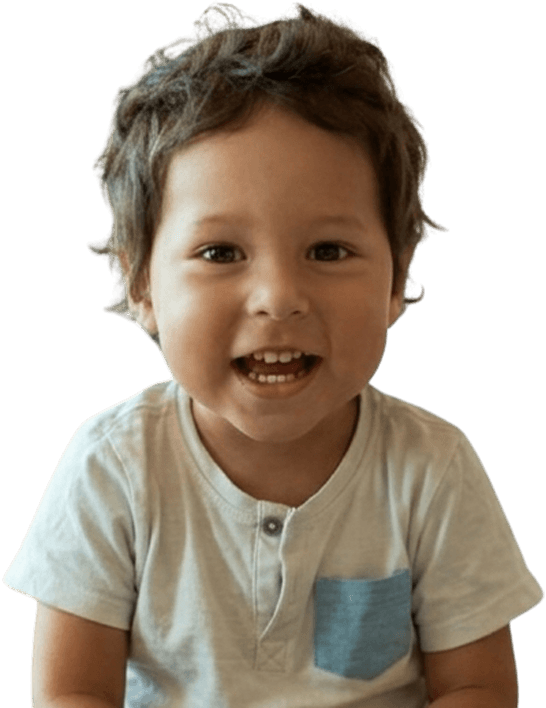
Our preschool program offers engaging bilingual lessons, hands-on learning, creative play, and personalized support in English and Spanish every single day.
Pre-K
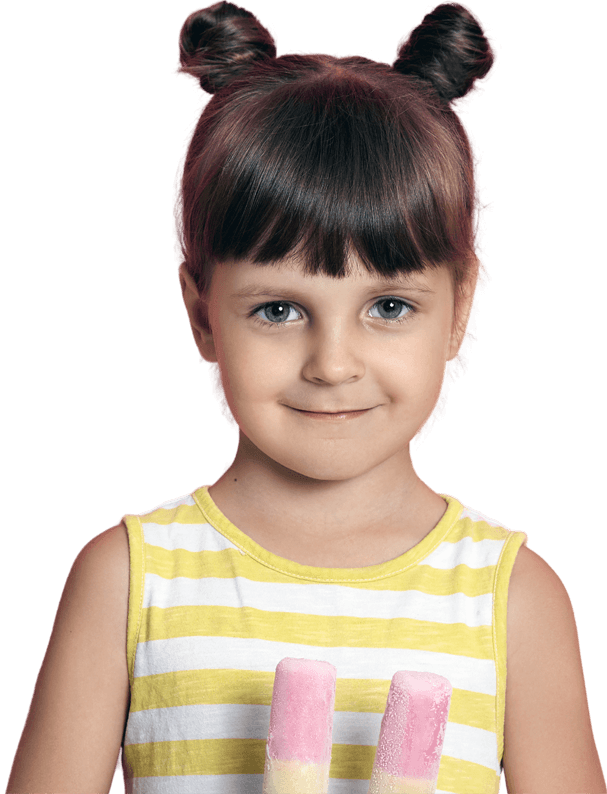
Our Pre-K program builds confidence through bilingual learning, hands-on activities, creative exploration, and school readiness experiences every single day together.

About Bilingual (or Multilingual) Education System
Numerous studies have been conducted to understand how speaking more than one language affects the human brain, especially in children. Some studies aimed to determine whether bilingual children have a slower learning curve when it comes to English grammar as compared to monolingual children. However, research shows that bilingual children are better at multitasking and focusing their attention in a noisy environment. They do not face any delay or difficulty in learning the English language and grammar. In fact, some studies suggest that bilinguals have similar advantages in memory and attention as musicians. Bilingualism enriches and enhances brain development, particularly the executive function, which is affected by an individual’s memory and attention. At Elizabeth’s Daycare and Preschool Center, we design lesson plans that are engaging and aim to spark children’s curiosity in a fun and guided environment.... Our teachers use inquiry-based learning through two different languages, which may have a greater number of positive effects on brain development than traditional learning. We strive to make the acquisition of the Spanish language an effortless experience for our students. Several studies have been conducted on the effects on the human brain for children that speak more than one language. Studies also show bilingual children are better at multitasking and focusing attention in noisy environments and are not delayed in English grammar learning. Bilingualism supports stronger memory, attention, and executive function development.
See More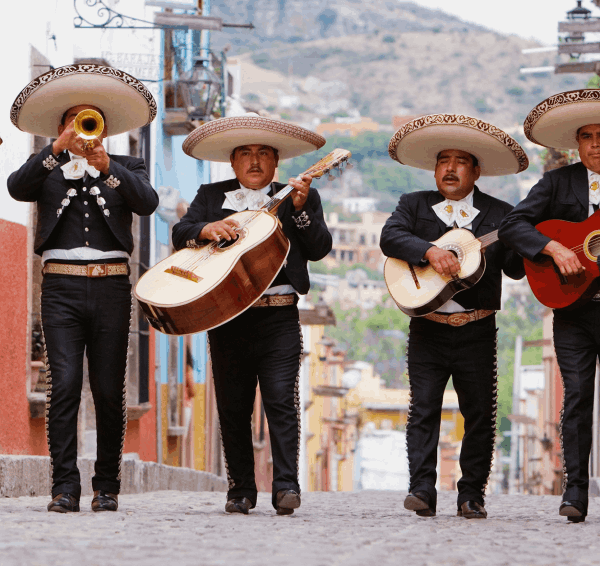
Advantages Of Spanish
The Spanish language has become one of the most widely spoken languages in the world. Learning additional languages can help your children to succeed in their future endeavors. It will help them become strong communicators and enable them to connect with and appreciate different cultures around the world. A student who is bilingual or multilingual will have many more opportunities open to them in their life. In addition to developing communication skills and the ability to connect with more people in the world, learning a new language can significantly boost a child’s confidence! A bilingual education is something we consider... valuable in the connected world we live in today. The Spanish language has become one of the most widely spoken languages in the world. Learning additional languages helps children succeed in life. They become strong communicators and gain a deeper appreciation of different cultures. Bilingual learners have more opportunities and stronger confidence in a global society.
See MoreHow We Celebrate Hispanic
Heritage Month At Our School
As a way to celebrate and highlight the rich Hispanic culture, there are several activities that can be done in schools. Here are some ideas that can be implemented:
1
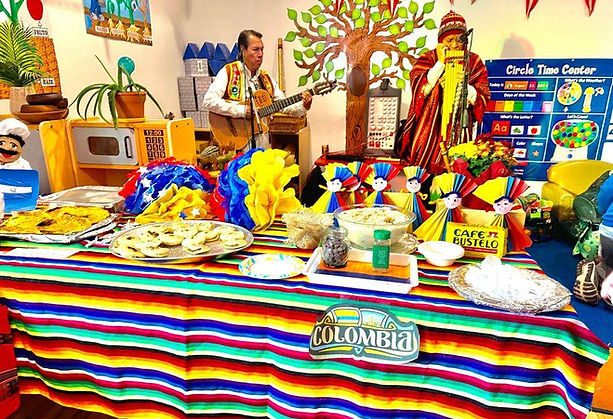
Our teachers make traditional foods: Teachers can bring and share traditional dishes from their home country with the students and their families. Some teachers may also make simple foods with their children, such as corn tortillas and frijoles... molidos (black beans mashed with a pinch of salt, a teaspoon of sugar, milk, ketchup, and a dash of Salsa Lizano, a popular Central American condiment).
See More2
Read books by Hispanic authors: Celebrate diversity at story time by reading books that highlight the Latino experience. Bilingual books are also an excellent way to teach kids a few words of Spanish. Some popular stories that can be used in the library are... “Bright Star” by Yuyi Morales, “Chicano Jr’s Mexican Adventure” by Raúl Jiménez, and “Paletero Man” by Lucky Diaz.
See More3
Dance to Hispanic music: Schools can invite folkloric music bands to build cultural bridges through music. For instance, Son Del Sol-Boston plays Andean music using traditional instruments like flutes, panpipes, trumpets, and drums,... including instruments from Peru and Bolivia such as ocarinas, pututos, and rattles made from various natural materials.
See MoreCommon Misconceptions
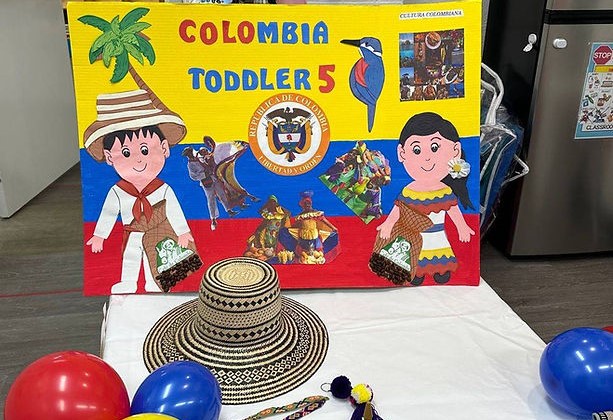
Colombian Culture from Medellin, Cartagena, Bogota, & Cali
Hispanic Culture Night
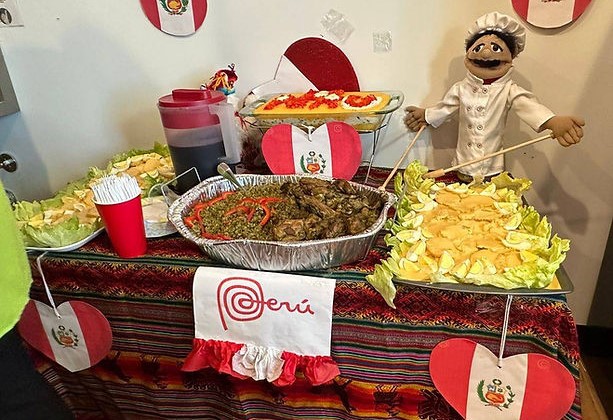
Peruvian Traditional Cuisine
Hispanic Culture Night
Son Del Sol (Peruvian Folkloric Music)
Hispanic Culture Night
There are certain misconceptions that parents may have about their child’s ability to learn a second or even third language in school. One common misconception is that it may confuse the child and hinder their cognitive capabilities. However, it’s worth noting that in many countries across the globe, children grow up learning multiple languages without any negative impact on their learning. In fact, learning a second language can enhance a child’s cognitive flexibility, allowing them to see things from different perspectives and improving their auditory skills... . Some people believe learning a second language can hinder English development. However, our program emphasizes both English and Spanish, ensuring proficiency in both. Students are regularly assessed to track progress. Research shows early bilingual exposure does not delay learning, and often enhances literacy, reading skills, and communication development. Parents are encouraged to support and engage positively in their child’s language journey, even if they are not fluent themselves.
See MoreOur Curriculum

We use a research-based curriculum aligned with early childhood development to support the whole child through intentional, play-based learning experiences. Our approach builds strong foundations in language, literacy, math, science, social-emotional growth, and independence, while respecting each child’s developmental stage and learning style.
